I Tracked How Every Hobby Made Me Feel for 60 Days — and the Results Surprised Even My Therapist
My therapist is a calm, measured woman who chooses her words carefully. So when she said, in the most gentle possible way, that she thought I needed to "expand my emotional palette through low-stakes experimentation," I understood that what she meant was: you are stuck, and you need to try some new things.
I'm a data person by instinct and a chaos person by nature, which is a fun combination. So I did what any reasonable overthinker would do: I built a tracking system.
For sixty days, I tried different hobbies — some new, some revisited, some wildly random — and after each session I logged four things: my mood going in, my mood coming out, my energy level afterward, and a one-sentence note about how I felt around my kids that evening. Nothing fancy. A notes app, a rating scale of one to five, and a commitment to being honest even when the honest answer was unflattering.
Here's what sixty days of hobby mood data actually looks like — and what it taught me that no amount of reading about self-care ever had.
Why I Needed a System (and Why "Just Try Things" Wasn't Enough)
I want to be clear that I'd tried the casual approach to hobbies before. I'd dabbled. I'd signed up for classes I didn't finish, bought supplies I didn't use, felt vaguely guilty about both. The problem wasn't a lack of trying — it was a lack of noticing.
I'd pick something up, feel sort of okay about it, set it down, and have no real sense of whether it had helped or hurt my mental state. Everything blurred together in the general fog of busy-mom life. My therapist's point, I think, was that I wasn't paying attention to what I actually needed — I was just filling time and calling it self-care.
The tracker forced me to pay attention.
The Hobbies I Tested (and Yes, I Know This Is a Lot)
Over sixty days, I rotated through twelve different activities — some for a single session, some revisited multiple times when the data got interesting. They included:
- Watercolor painting
- Running (not new, but newly tracked)
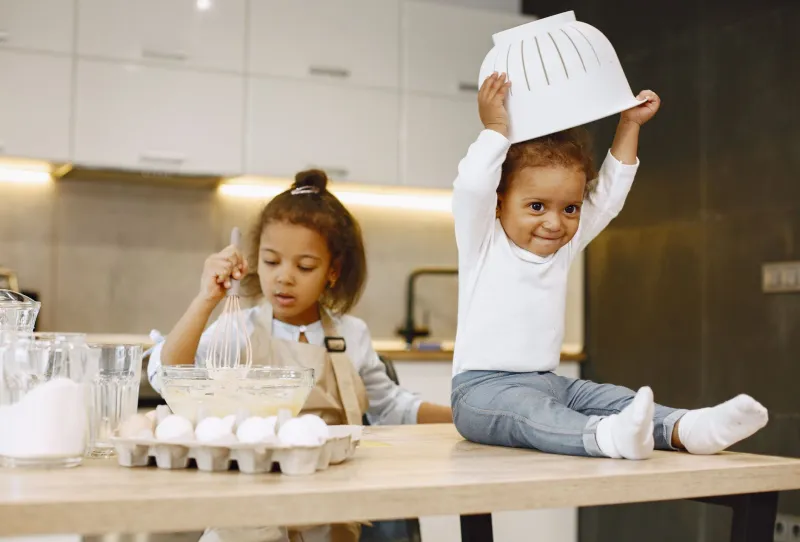
- Baking from scratch
- Knitting
- Journaling (free-write style)
- Puzzle building (1,000-piece, because I apparently hate myself)
- Gardening
- Playing guitar (badly, on a ukulele I already owned)
- Reading fiction for pleasure
- Candle making
- Cooking a new recipe
- Dance cardio at home
I know. It's a lot. But sixty days is a lot of evenings, and I was motivated.
What the Data Actually Said
I'll spare you the full spreadsheet (you're welcome) and give you the highlights.
The biggest mood lifters: Running and dance cardio produced the highest post-activity mood scores, consistently. No surprise there — exercise is exercise. But what did surprise me was that my evening patience scores (how I rated my presence with my kids that night) were highest not after exercise, but after baking and journaling. Something about the slower, more tactile activities seemed to carry over into how I showed up at dinner.
The sneaky anxiety triggers: I expected to love puzzles. I did not love puzzles. My mood going in was usually neutral or positive, but my mood coming out was frequently frustrated — and my notes from those evenings mentioned feeling distracted or irritable. I was so focused on solving the puzzle that I couldn't let go of it, even after I'd walked away. My brain kept working on it. Not restful. Not what I needed.
Knitting had a similar effect, at least at first. The learning curve was steep enough that sessions felt like work, not play. This improved over time as I got more comfortable with the basics, which told me something important: the phase of a hobby matters as much as the hobby itself.
The wild card: Reading fiction scored the highest on presence with my kids, almost every single time. I'd read for forty-five minutes after they went to bed, and the next morning I was more patient, more playful, more there. I hadn't expected that. I'd always thought of reading as a solo, slightly indulgent activity — not something that would directly affect my parenting. But the data was clear.
The Session I Almost Didn't Log
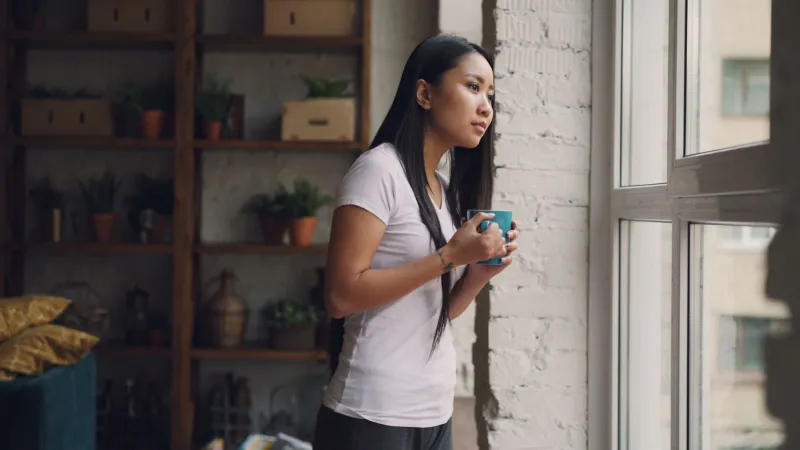
About five weeks in, I had a rough Tuesday. Work was hard, the kids were hard, I was hard on myself about both. I sat down to do a watercolor session and I cried for the first ten minutes instead of painting.
I almost didn't log it. It felt too messy, too outside the scope of what I was tracking.
But I did log it. And what I found when I looked back was that my mood coming out of that session was significantly higher than my mood going in — and my evening with the kids was one of the best I'd noted all month. Something about letting myself fall apart a little, in a low-stakes space with no audience, had reset something.
I brought this to my therapist. She nodded slowly and said, "The hobby wasn't the point. The permission was."
I've been thinking about that ever since.
What the Sixty Days Actually Changed
Here's the honest takeaway, the one I didn't expect when I started all this:
The hobby matters less than the conditions around it.
The activities that helped me most weren't necessarily the most enjoyable ones in the moment. They were the ones that created a specific set of conditions: quiet, low stakes, some physical engagement, and a clear endpoint. Running gave me those conditions. Baking gave me those conditions. A 1,000-piece puzzle of the New York City skyline absolutely did not give me those conditions.
I also learned that I'd been choosing hobbies based on what looked good — what seemed like the right thing for a creative, self-aware person to be doing — rather than what actually worked for my particular brain. That's a subtle but important distinction.
And maybe most importantly: I learned that creative time is not a luxury I squeeze in around my family. It's a direct input into how I show up for them. The data made that undeniable in a way that good intentions never had.
A Note on the Tracking Itself
If you want to try this — and I genuinely think you should — keep it simple. You don't need a spreadsheet. You don't need a five-axis rating system. You just need to pause, after each creative session, and ask yourself two questions: How do I feel right now compared to when I started? And how did I treat the people I love tonight?
That's it. The pattern will show up on its own.
My therapist, for the record, was delighted when I brought her my notes. She said it was "a very you way to approach this."
I chose to take that as a compliment.